The History - Act III


The History - Act Three
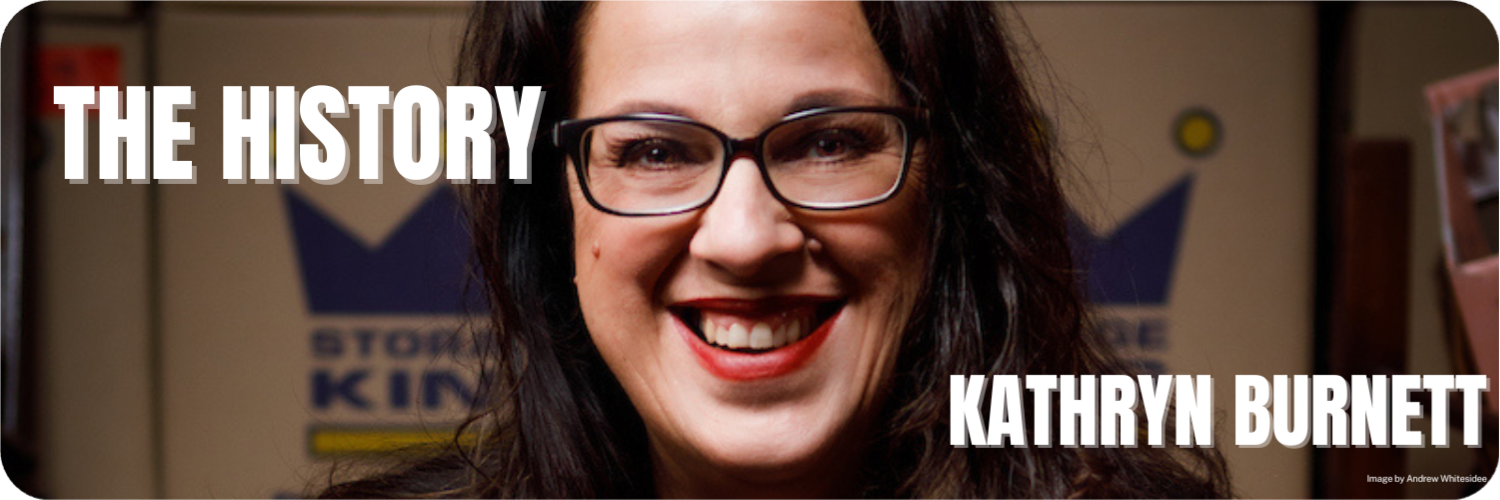
The second half of the 1990s and it’s over to Kathryn Burnett to tell the story. Kathryn is a screenwriter, playwright and writing tutor.
Act Three: 1995-2000 By Kathryn Burnett (abridged)
This was a period of extraordinary growth for the Guild. Executive Director, Philippa Boyens changed the face of the Guild and by 1995, the Guild had a new membership database, a registration service, and an information pamphlet. Regular craft evenings and seminars were held. Hardly surprisingly, this rush of new activity attracted more members.
Improving work conditions for writers remained the Guild’s principal goal and proved to be as challenging as ever. The Guild had long attempted to negotiate standard rates and practices with the Independent Producers and Directors Guild (the organisation was soon to morph into SPADA) with little success. 1995 was also significant in that it saw the Guild undertake its first official credit arbitration – a valuable industry service the Guild still performs… Another achievement during this time was the lobbying of the NZFC to elect a writer to the NZFC board...
By the end of 1996, the Guild membership was up to 370, and the organisation had initiated discussions with the NZFC for underwriting of the Guild’s core activities. The successful culmination of these discussions in 1997 resulted in an ongoing funding relationship with the NZFC, which would ensure the Guild’s continued survival…
By mid-1999: membership had risen to 430, we had a website, we’d convinced the NZFC to increase their core funding, and we had a new president. Guild stalwart Greg McGee had finally thrown in the towel and was replaced by Alannah O’Sullivan, who had been a long-standing board member. 1999 was an intensely political year as the Guild worked alongside other industry organisations to make broadcasting policy and arts funding an election issue.
The most significant work undertaken by the Guild executive during 1999 was the drafting of model contracts… to negotiate with SPADA… SPADA hated our first draft – but despite the ill-disguised antagonism during that first meeting, I was grateful that they’d come to the table to discuss the contracts at all.
So all in all, a stressful, eventful time but an exciting couple of years that raised the Guild’s profile and saw it establish and re-establish important relationships throughout the industry both here and overseas.
ONLINE - Comedy Panel, Thurs 18 June 2026
So You Think You're Funny? An online live comedy panel event exploring the nature of New Zealand comedy onscreen. Is it just enough to be funny? Is there a will to fund New Zealand comedy on screen. What legacy have our emerging comedians been left with?
Thispanel brings together outstanding comedy screenwriters: Oscar Kightley, AliceSnedden, Pax Assadi and Janaye Henry.
TABLE READS - Apply Now
Six actors, a writer, and a director team or a writer/director, will work together for a virtual table read of a feature filmscript. Next Table Read is on Saturday 13June 2026.
Projects are drawn two weeks before the read. If you’re not picked this time, your script will remain in the draw for a year.
Applications Open - 21 April 2026
Applications Close - 21 May 2026, 12noon
WRITERS CREDITS - Update Your Credits
We are making the longest credit reel in NZ screen history!
It is going to name all those who have a writer credit on projects in Aotearoa between 1976-2026. This is to show the work that has actually been done by screenwriters in New Zealand.
We need your input.
Jump into the survey to check your own credits, make sure we are not leaving anyone out. The results will be shared with all at the Gala dinner in October.
Thanks to AWGACS for supporting the project.
The History - Act Three
The second half of the 1990s and it’s over to Kathryn Burnett to tell the story. Kathryn is a screenwriter, playwright and writing tutor.
Act Three: 1995-2000 By Kathryn Burnett (abridged)
This was a period of extraordinary growth for the Guild. Executive Director, Philippa Boyens changed the face of the Guild and by 1995, the Guild had a new membership database, a registration service, and an information pamphlet. Regular craft evenings and seminars were held. Hardly surprisingly, this rush of new activity attracted more members.
Already an NZWG member? Sign in here


The History - Act Three
The second half of the 1990s and it’s over to Kathryn Burnett to tell the story. Kathryn is a screenwriter, playwright and writing tutor.
Act Three: 1995-2000 By Kathryn Burnett (abridged)
This was a period of extraordinary growth for the Guild. Executive Director, Philippa Boyens changed the face of the Guild and by 1995, the Guild had a new membership database, a registration service, and an information pamphlet. Regular craft evenings and seminars were held. Hardly surprisingly, this rush of new activity attracted more members.
Improving work conditions for writers remained the Guild’s principal goal and proved to be as challenging as ever. The Guild had long attempted to negotiate standard rates and practices with the Independent Producers and Directors Guild (the organisation was soon to morph into SPADA) with little success. 1995 was also significant in that it saw the Guild undertake its first official credit arbitration – a valuable industry service the Guild still performs… Another achievement during this time was the lobbying of the NZFC to elect a writer to the NZFC board...
By the end of 1996, the Guild membership was up to 370, and the organisation had initiated discussions with the NZFC for underwriting of the Guild’s core activities. The successful culmination of these discussions in 1997 resulted in an ongoing funding relationship with the NZFC, which would ensure the Guild’s continued survival…
By mid-1999: membership had risen to 430, we had a website, we’d convinced the NZFC to increase their core funding, and we had a new president. Guild stalwart Greg McGee had finally thrown in the towel and was replaced by Alannah O’Sullivan, who had been a long-standing board member. 1999 was an intensely political year as the Guild worked alongside other industry organisations to make broadcasting policy and arts funding an election issue.
The most significant work undertaken by the Guild executive during 1999 was the drafting of model contracts… to negotiate with SPADA… SPADA hated our first draft – but despite the ill-disguised antagonism during that first meeting, I was grateful that they’d come to the table to discuss the contracts at all.
So all in all, a stressful, eventful time but an exciting couple of years that raised the Guild’s profile and saw it establish and re-establish important relationships throughout the industry both here and overseas.
ONLINE - Comedy Panel, Thurs 18 June 2026
So You Think You're Funny? An online live comedy panel event exploring the nature of New Zealand comedy onscreen. Is it just enough to be funny? Is there a will to fund New Zealand comedy on screen. What legacy have our emerging comedians been left with?
Thispanel brings together outstanding comedy screenwriters: Oscar Kightley, AliceSnedden, Pax Assadi and Janaye Henry.
TABLE READS - Apply Now
Six actors, a writer, and a director team or a writer/director, will work together for a virtual table read of a feature filmscript. Next Table Read is on Saturday 13June 2026.
Projects are drawn two weeks before the read. If you’re not picked this time, your script will remain in the draw for a year.
Applications Open - 21 April 2026
Applications Close - 21 May 2026, 12noon
WRITERS CREDITS - Update Your Credits
We are making the longest credit reel in NZ screen history!
It is going to name all those who have a writer credit on projects in Aotearoa between 1976-2026. This is to show the work that has actually been done by screenwriters in New Zealand.
We need your input.
Jump into the survey to check your own credits, make sure we are not leaving anyone out. The results will be shared with all at the Gala dinner in October.
Thanks to AWGACS for supporting the project.
Join the New Zealand Writers Guild
Become a member and access exclusive benefits and resources.